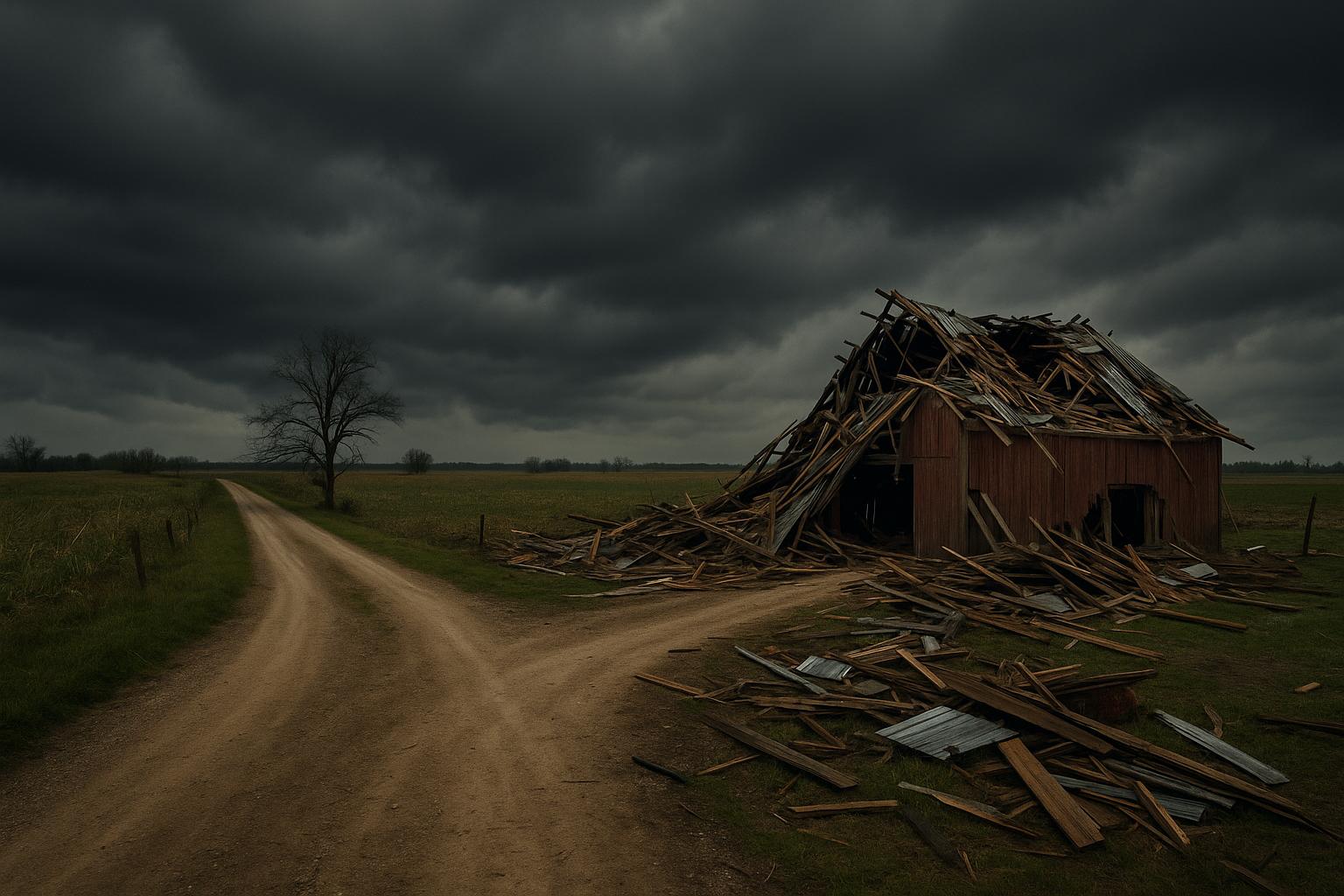
DUAL North America has selected ZestyAI’s Z‑STORM model to sharpen property‑level underwriting for hail and wind as the Chicago‑based specialty program administrator pushes further into storm‑prone U.S. regions. According to the original report, the move is intended to help DUAL more precisely identify and price vulnerabilities that conventional, coarser models can miss. [1][2]
Z‑STORM combines local climatology with detailed structure characteristics , roof condition, building materials and surrounding exposure , to produce property‑specific storm vulnerability predictions, the vendor said. The company claims those granular insights will be particularly valuable in areas facing rising severe convective storm activity. [1][6]
DUAL’s chief actuary, Luke Wolmer, said the model gives a “more nuanced understanding of storm vulnerability, helping us recognize differences in risk that traditional models overlook.” Wolmer made the remarks in the company announcement, which framed Z‑STORM as a tool to boost underwriters’ confidence in pricing and to support the firm’s U.S. expansion. [1]
The adoption comes as DUAL emphasises technology and data investment while reporting more than $1.3 billion in gross written premium for 2024 and offering over 40 insurance products across commercial, specialty and personal lines. The firm already markets tailored windstorm and coastal solutions with account limits and specific deductible structures designed for higher‑severity coastal exposures. [1][5]
ZestyAI in September 2025 added “mitigation‑aware scoring” to its storm suite, a capability that lets insurers adjust risk scores where verified mitigation , for example roof replacement or corrected property data , has occurred. The vendor says the feature supports dynamic pricing, inspection workflows and regulatory alignment by recognising completed mitigation, correcting inaccurate data, or simulating future risk‑reducing changes. ZestyAI’s founder and CEO, Attila Toth, described DUAL’s adoption as “forward‑thinking” and said it positions the firm to underwrite more precisely and strengthen community resilience. [3][1]
Industry data from ZestyAI underscores the scale of the problem Z‑STORM targets: the company’s analysis flags some 12.6 million U.S. structures as high risk for hail‑related roof damage, with potential roof replacement exposure of about $189.5 billion concentrated heavily in states such as Texas and Colorado. Z‑HAIL and companion models like Z‑WIND are already used by insurers to differentiate risk even between neighbouring properties exposed to the same storm. [4][6]
Regulatory momentum for property‑level, model‑driven rating is growing: ZestyAI’s storm models, including Z‑HAIL, Z‑WIND and Z‑STORM, have secured approval from the Texas Department of Insurance for underwriting and rating use, a notable milestone in a state that recorded more than 1,100 hail events in 2023. That precedent may ease deployment of similar analytics across other state regulatory regimes as carriers seek more granular risk signals. [7][3]
While DUAL and ZestyAI present the partnership as a step toward more precise underwriting and responsible growth, such tools also shift emphasis onto the quality of underlying property data and the governance of model use in pricing. Insurers adopting property‑level analytics must balance the benefits of granularity with scrutiny over data accuracy, inspection programmes and regulatory expectations as storm risk intensifies. [1][6][3]
📌 Reference Map:
- [1] (II Reporter) - Paragraph 1, Paragraph 2, Paragraph 3, Paragraph 4, Paragraph 5, Paragraph 8
- [2] (II Reporter , duplicate summary) - Paragraph 1
- [3] (ZestyAI news release) - Paragraph 5, Paragraph 7, Paragraph 8
- [4] (ZestyAI analysis) - Paragraph 6
- [5] (DUAL product page) - Paragraph 4
- [6] (ProgramBusiness) - Paragraph 2, Paragraph 6, Paragraph 8
- [7] (PR Newswire/Texas approval) - Paragraph 7
Source: Noah Wire Services