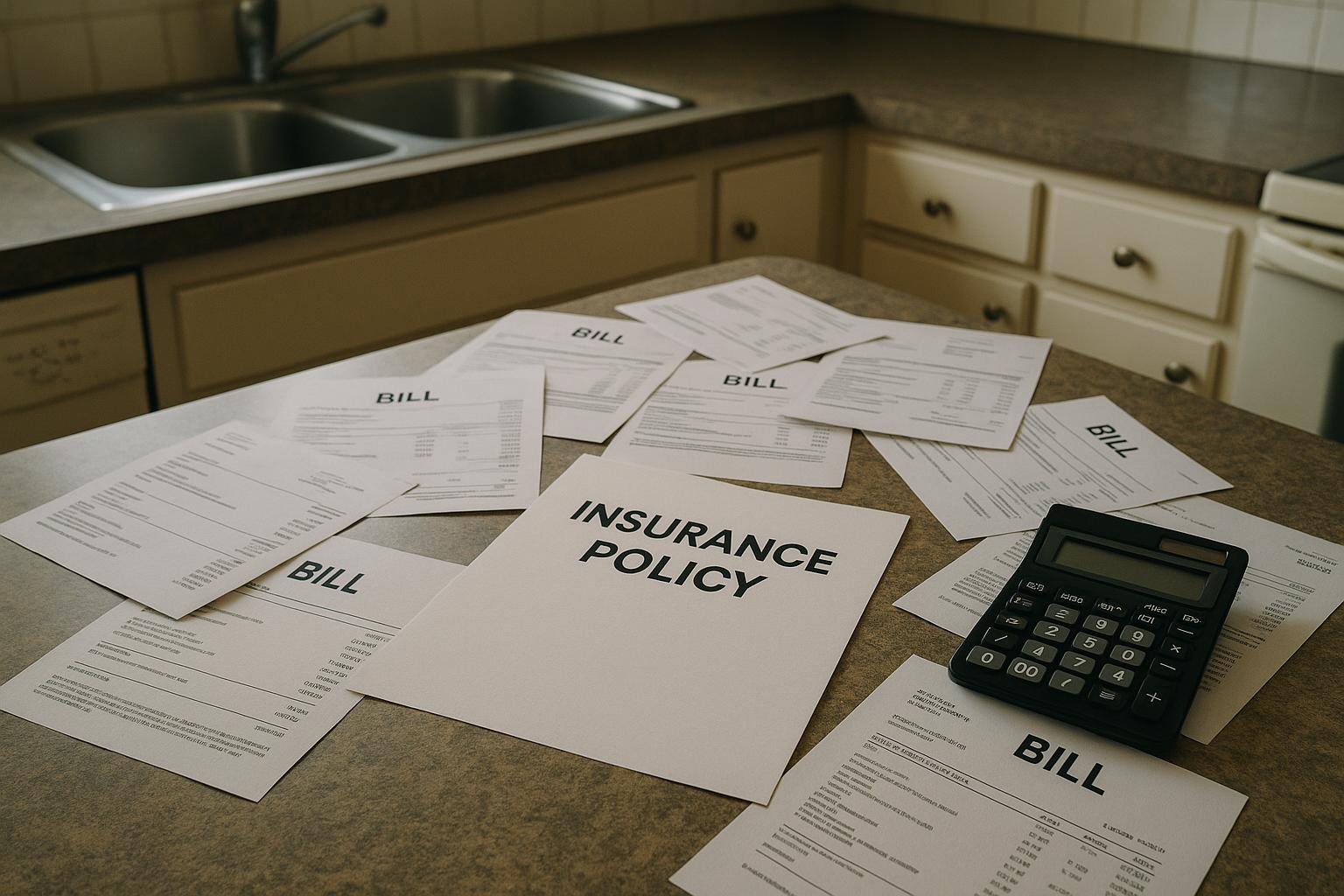
The turn of the year often prompts men to re-evaluate physical health , gym memberships rise, check-ups are scheduled and diets are reset , but the conversation too rarely extends to financial preparedness, even though the two are tightly linked. According to the original report by Zurich International Life Ltd., claims data across the UAE, Bahrain and Qatar show that cardiovascular disease and cancer account for a large share of male claims, highlighting a persistent gap between medical coverage and the financial cushioning families need during prolonged recovery. [1][2][3]
Medical insurance typically settles hospital bills, yet life’s ordinary costs , rent, school fees, household bills , continue to accumulate while a breadwinner recovers. Industry data shows nearly 60% of living-benefit claims were due to heart attacks or strokes and about one-third were cancer-related in Zurich’s regional dataset, illustrating why critical-illness protection is designed to bridge the interval between treatment and a return to work. The company’s consumer-facing findings also stress that coverage for long-term rehabilitation and income interruption is often missing from household planning. [1][2][3]
Regional reports and insurer releases differ slightly in emphasis but converge on the same lesson. Zurich’s Middle East consumer report covering claims between 2019 and 2021 found cancer a leading cause of critical-illness benefits in some analyses while lifestyle-related cardiovascular events comprised a substantial proportion of life-cover payouts, underlining that both categories present major financial risk. Such variation in breakdowns underscores the need for households to examine the specific protections their policies provide, rather than assume a one-size-fits-all safety net. [3][1]
Practical cases frequently cited by advisers illuminate how modest choices can materially affect outcomes. One example from industry commentary describes an older professional who, concerned by rising premiums, topped up an existing plan instead of buying a cheaper new policy; when he later suffered a heart attack, the decision meant a payout that preserved his family’s finances through recovery. Illustrations like this demonstrate how even small monthly differences in premium , presented here as illustrative figures , can translate into significant support when illness strikes. [1]
Beyond insurer data, broader evidence links financial literacy and patient outcomes. A JAMA Network Open study found nearly half of cancer patients in the cohort experienced financial hardship and that lower health-insurance literacy correlated with greater economic strain, suggesting that understanding policy terms and exclusions is as important as buying cover. Surveys from other markets also show consumers want better guidance: a Manulife Greater Bay Area poll found about two-thirds of respondents wanted to protect themselves against critical illness but did not know where to begin. [5][7]
The scale of the underlying health burden reinforces the urgency. Public health and insurance aggregators report high prevalence for cardiovascular disease and cancer in many populations, with large numbers affected annually and millions living with survivorship challenges that carry long-term costs. Such statistics amplify the argument that prevention and financial planning must operate in parallel: reducing risk through lifestyle and screening is vital, but so is ensuring families can absorb the economic shock if prevention fails. [4][6]
Employers, advisers and families can each play a part in normalising financial resilience. Workplaces that already promote annual check-ups could add financial-wellness sessions; advisers can prioritise explaining exclusions and benefit triggers in plain language; families can treat coverage reviews as part of their annual health calendar. The objective is not to foster fear but to embed simple, repeatable practices that make protection an accepted element of wellbeing. According to the original report and related commentary, making these structural changes is less about a single product sale and more about shifting how resilience is defined: from stoic endurance to pragmatic preparation. [1][2][3][7]
What matters next calendar year is continuity: that education, school and household goals remain intact if a health shock occurs. The end-of-year reset can be an opportunity to extend the ritual of medical check-ups to a parallel check on financial protection , a modest cultural change that, if adopted, would keep families solvent as well as healthy. Industry leaders argue that the most meaningful action after tests and conversations is to ensure policies actually permit a family to remain steady through uncertainty. [1][2][3]
📌 Reference Map:
- [1] (GCC Business News) - Paragraph 1, Paragraph 2, Paragraph 4, Paragraph 8
- [2] (The Gulf Today) - Paragraph 1, Paragraph 2, Paragraph 7
- [3] (PR Newswire / Zurich International Life) - Paragraph 2, Paragraph 3, Paragraph 8
- [5] (JAMA Network Open) - Paragraph 5
- [7] (Manulife Hong Kong survey) - Paragraph 5, Paragraph 7
- [4] (Pinney Insurance statistics) - Paragraph 6
- [6] (Men's Health Network) - Paragraph 6
Source: Noah Wire Services