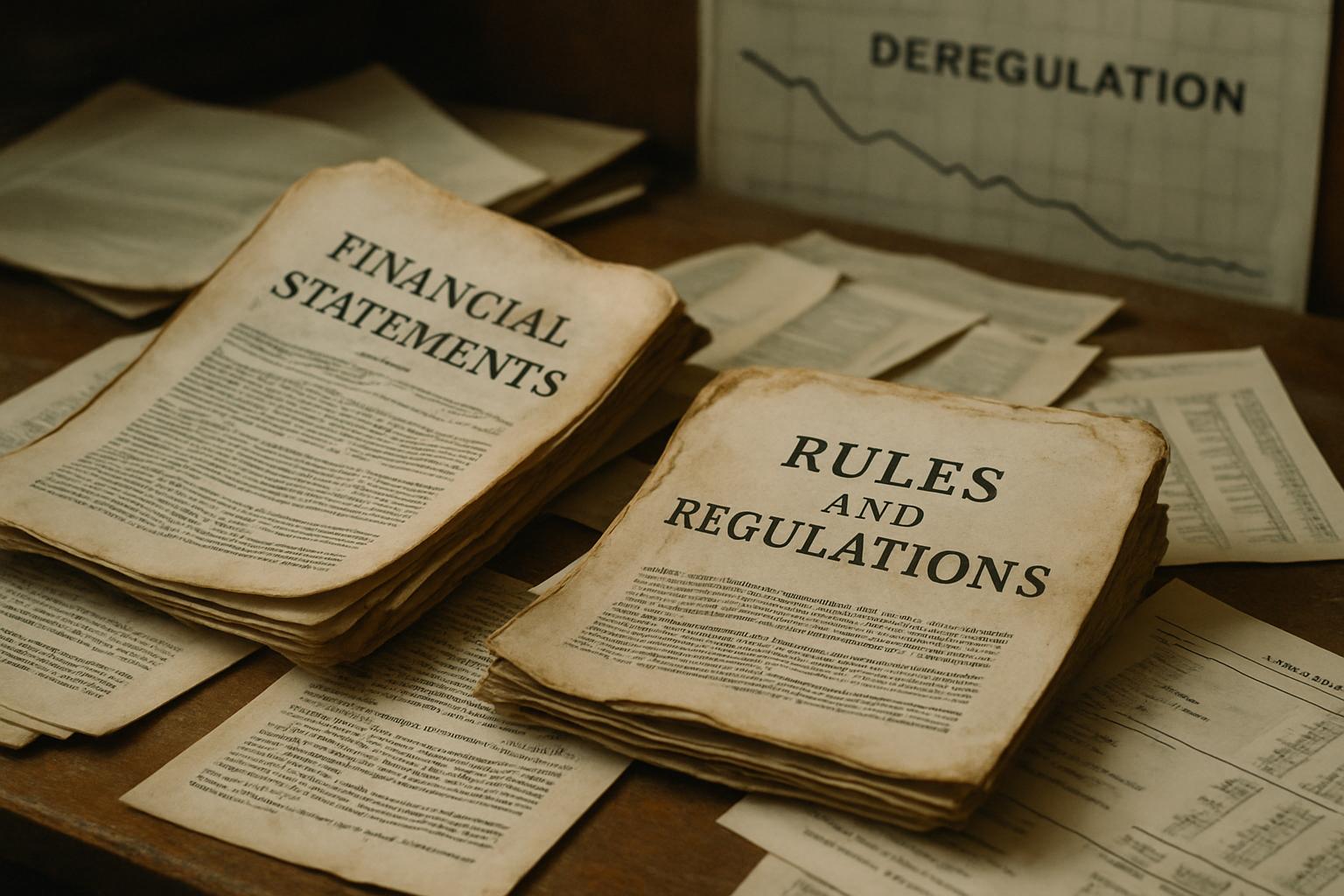
As a one‑hour, CE‑credit approved webinar scheduled for TODAY at 12 PM EST, the session promises financial professionals a focused briefing on deregulation’s effects across healthcare, finance and energy while offering one hour of continuing education credit. According to the original report, the event presents itself as an educational deep dive , not a sales pitch , and will examine how The Free Markets ETF (FMKT) "capitalizes on these trends" and how advisers might apply those ideas in client portfolios. [1]
The promotional material includes extensive risk disclosures and fund details that underscore the educational , and commercially connected , nature of the offering. The prospectus language reproduced in the announcement highlights wide-ranging risks: equity market volatility, the uncertainties of a deregulatory investment strategy, higher expenses and tax consequences from potential high portfolio turnover, and specific exposures tied to underlying ETFs and digital‑asset ETPs such as Bitcoin and Ether. The company claims TRM will act as a sub‑adviser but the announcement also notes TRM is a newly registered adviser and the Free Markets ETF itself is a recently organised fund with no operating history. Investors are reminded to read the prospectus carefully and consider investment objectives, risks, charges and expenses before investing. [1]
Placed in the broader context of professional learning, the webinar fits a common industry pattern: trade bodies and asset managers increasingly offer live and on‑demand webinars that combine market analysis with CE or CPE credit. Industry programmes range from national membership organisations that provide annual learning passes and on‑demand libraries to asset managers and specialist firms that issue one‑hour CE credits after completion and assessment. According to membership organisations and providers, these offerings are designed to help advisers meet certification requirements while staying current on market, regulatory and practice‑management topics. [2] [4] [5]
Free or low‑cost vendor webinars are also widespread in related financial sectors. Community banking trainers and compliance specialists run sessions aimed at regulatory readiness and data management that often carry CE credit for participants; similarly, associations for student‑financial‑aid and government accounting professionals provide livestreamed or recorded webinars for recertification points or CPE hours. These parallel examples illustrate how firms and associations use webinars both to educate and to maintain professional credentials across specialisms. [3] [6] [7]
Editorially, readers should note the dual role such events play: they are educational vehicles that simultaneously raise awareness of a fund’s strategy and, in many cases, support its distribution. The lead announcement couches the material as impartial education, but the inclusion of detailed fund disclaimers and marketing language about FMKT’s strategy signals a commercial motive alongside the CE benefit. Prudence requires advisers to treat the webinar as a source of market perspective while independently vetting the fund’s prospectus and considering whether the deregulatory theme and associated risks suit client mandates. [1]
For practitioners seeking CE credit, the market offers many pathways beyond vendor‑sponsored webinars , from professional associations’ live and on‑demand courses to large asset managers’ hosted sessions that include post‑webinar quizzes for credit. Industry data shows these options vary in pricing, accreditation and delivery format; advisers should confirm the specific accreditation accepted by their certifying body before relying on a single session to meet mandatory hours. The original announcement supplies registration details and contact numbers for the fund but, as with any investment‑linked educational event, the onus remains on professionals to corroborate the educational value and to weigh the fund’s documented risks against client objectives. [2] [4] [5] [1]
📌 Reference Map:
##Reference Map:
- [1] (Lead Lag Report / promotional announcement) - Paragraph 1, Paragraph 2, Paragraph 5, Paragraph 6
- [2] (NAPFA) - Paragraph 3, Paragraph 6
- [3] (Kadince) - Paragraph 4
- [4] (PIMCO) - Paragraph 3, Paragraph 6
- [5] (Financial Planning Association) - Paragraph 3, Paragraph 6
- [6] (NASFAA) - Paragraph 4
- [7] (Association of Government Accountants) - Paragraph 4
Source: Noah Wire Services